Semantic SEO: entities, topics and artificial intelligence.
Google and AI engines no longer read just keywords: they recognize entities, relationships and topics. Semantic SEO organizes your website’s content and data so it’s understood and associated with the right topics.
With algorithms like RankBrain, BERT and generative models, search engines understand the context of searches. Those who cover a topic completely and consistently are rewarded on Google and cited by AI.
Topic coverageContent clusters that answer every question on a topic.
Recognized entitiesBrands, products and people clearly connected through structured data.
Less cannibalizationEvery page has a precise role in the site structure.
Ready for AIGenerative models reason in terms of entities and relationships.
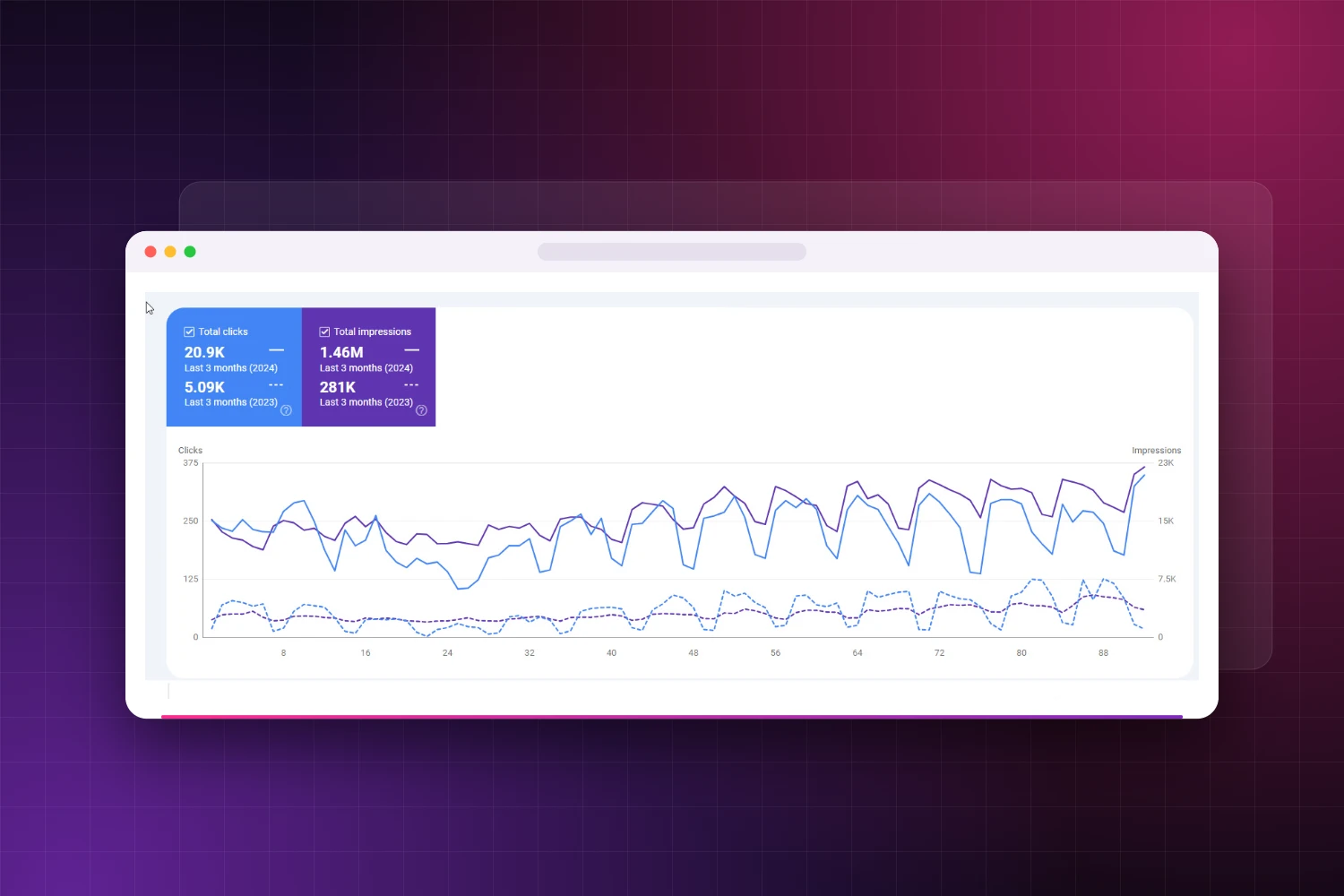
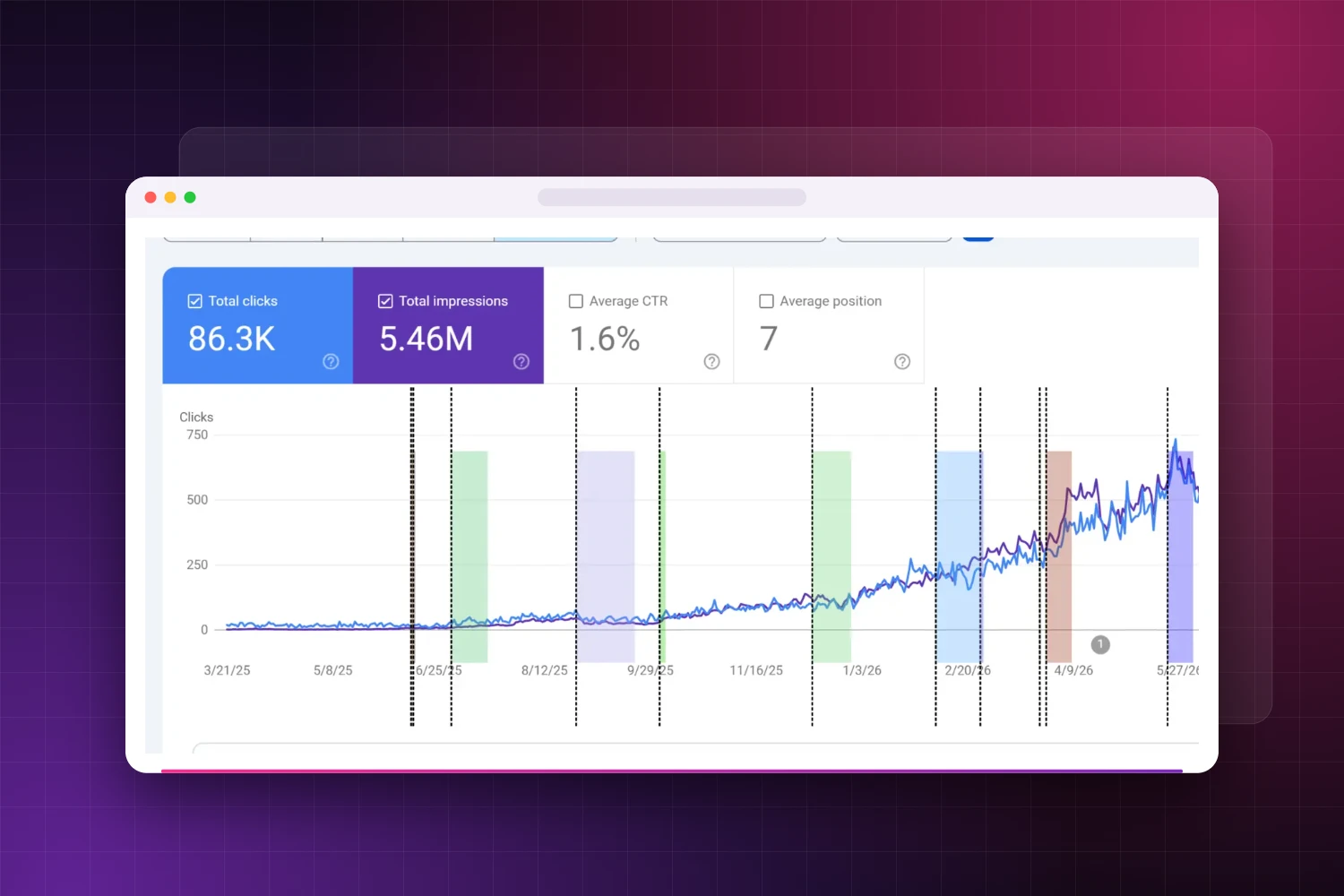
Startup · SEOClicks and impressions from GoogleGoogle Search Console data
Clicks77,6K+102%
Impressions5.81M+125%
Average CTR1,6%from 1.3%
Average position5,8from 7.2
Last 6 monthsPrevious 6 months
Real data from a YourDigitalWeb client
02What we do
How we work on your website’s semantics.
Entity analysis
How Google and AI interpret your brand and topics.
Topic clusters
Pillar pages and linked content.
Structured data
Schema.org for organization, products, people and FAQs.
Semantic internal links
Links that strengthen the main topics.
Comprehensive content
Copy that covers questions and subtopics.
Monitoring
Visibility by topic, not just by keyword.
03Why choose us
Semantics and AI: our home turf.
For years we’ve studied how search engines interpret content, from Google’s first semantic algorithms to today’s generative models: it’s the subject of our books and our latest courses.
Semantic SEO optimizes a website for meaning as well as keywords: it organizes content by topics and entities and uses consistent structured data and internal links, so Google and AI engines understand the brand and associate it with the right topics.
You often hear about SEMANTICS applied to SEO.
Google RankBrain, Knowledge Graph, Google Hummingbird are just some of the algorithms Google uses to provide concrete answers to users’ search needs.
Bing and Yandex also use artificial intelligence technologies applied to semantics to deliver ever better results.
The new era of SEO
Semantic Search is an innovative component introduced in search engine algorithms that improves search accuracy by leveraging user behavior.
With the arrival of Hummingbird and the introduction of the Knowledge Graph and Google BERT, semantics became a dominant part of “Google’s reasoning.”
Microdata, RDF and technical structures support the search engine in understanding the end user’s needs. In this scenario, mobile devices and the introduction of voice queries play a crucial role.
Machine Learning & AI
SEO is becoming an increasingly technical discipline.
Understanding how a search engine reasons and running experiments to understand algorithms and issues is our job: that’s why we study and test the evolution of artificial intelligence and machine learning in SEO too, to understand how organic visibility evolves.