Table of contents 6 sections
For every dollar spent on email marketing, the average ROI is $40 (Oberlo).
You’ll probably agree with me that email marketing is far from dead. Quite the opposite!
So how can you use your newsletter as a strategy to get leads, prospects, and quote requests?
The 3 advantages of a newsletter
Let’s start here. Why should you include a newsletter in your online marketing and communication plan?
1. It’s a channel you own.
Unlike Google or social media, for example, YOU set the rules of the game. It’s a bit like your website: an exclusive channel where you decide what to do and how.
Imagine instead that you had built your entire lead generation strategy on Meta, and at some point Meta decided to change everything, drop ads, or even shut down Facebook (I know, I’m exaggerating, but it helps make the point): you’d lose everything. Years of effort, resources, and money.
2. The audience is qualified.
The people who subscribed to your newsletter CHOSE to do so: your database should already be well profiled and segmented.
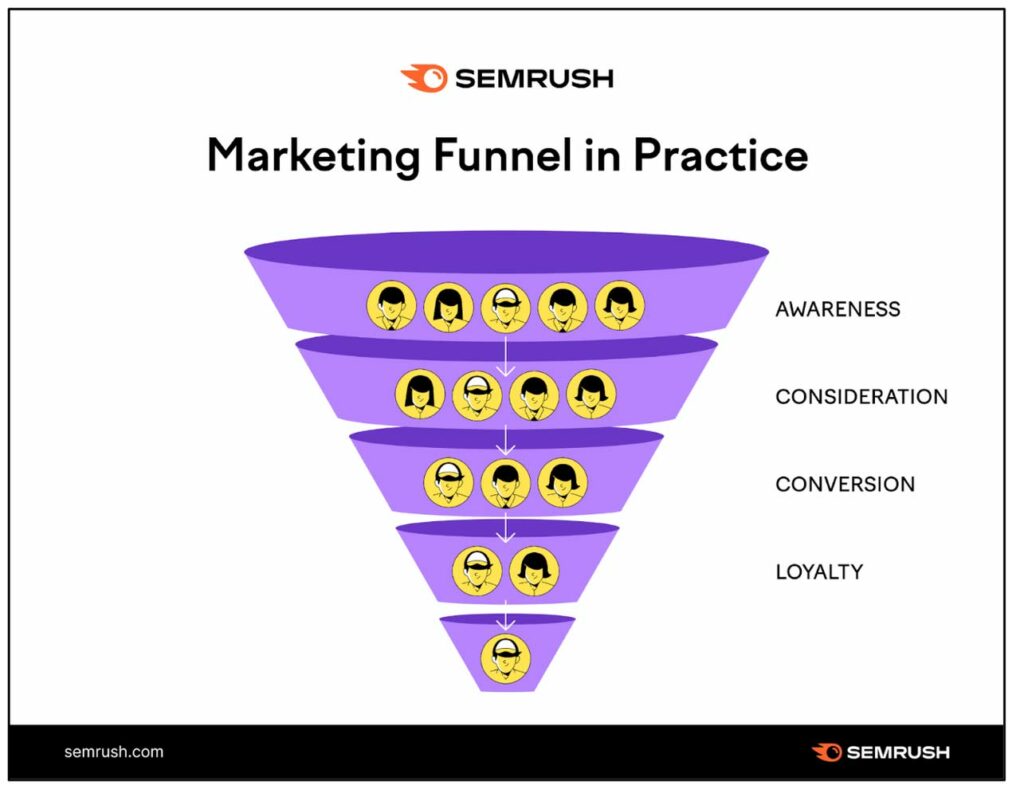
That’s why email marketing lets you work not only in the awareness stage of the funnel, but also in the consideration stage, when users are already considering relying on you to solve a need or problem.
3. Over 4 billion people use email every day (HubSpot)
Email is by far the most used channel every day, so it’s unlikely your potential customer doesn’t have an email address and use it.
Newsletter strategy across the funnel
If you think about it, a newsletter fits every stage of the funnel: awareness, consideration, interest, purchase, and loyalty.
1. AWARENESS
This is the stage when users start getting to know the company or brand. They definitely need to know more before they can tell whether its products or services are right for them.
At this stage, you could use different lead magnets (free content that’s still high quality) to collect email addresses: for example, offer a free ebook, infographic, webinar, or guide in exchange for an email address.
Careful: free doesn’t mean low value or unnecessary.
If you offer free content that’s genuinely useful and in-depth, and that truly shows your expertise and authority, you’ll not only strengthen your brand reputation but also earn your prospect’s trust.
2. CONSIDERATION & INTEREST
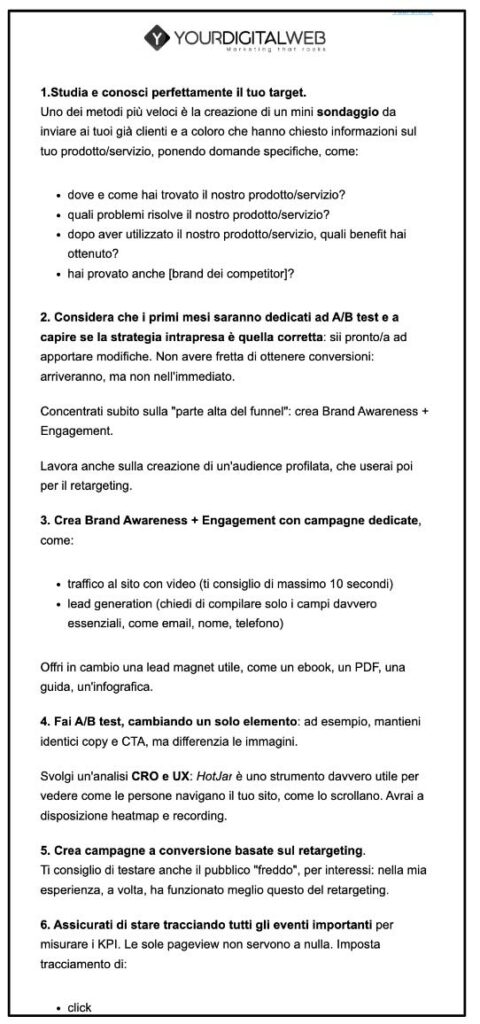
You can use your newsletter to send subscribers strong material that convinces them you’re the solution to their problems.
For example, I sent this newsletter on how to set up a social ads strategy in 7 steps, to show my subscribers that I can help them run social campaigns that deliver real business results. I do it by sharing experience, knowledge, and know-how.
3. CONVERSION & LOYALTY
Use your newsletter to:
- send discount codes
- ask for a testimonial (social proof)
- send surveys to keep learning about your audience and plan your next useful content
- work on upselling and cross-selling
- offer a free quote
How to create newsletter content: content curation and content creation
First of all, remember that:
- you need to write content that’s interesting and useful for your audience
- you need to solve a problem for your customer
- you need to know your audience very well: buying habits, pains and gains, job titles
- it helps to look into the email addresses of people who subscribe: check LinkedIn to see who they are and what they do, look them up on Instagram or Facebook, and explore their websites
How to find content ideas
“How do I find content for my newsletter?”
That’s probably the first question you’re asking yourself. Here are some practical tips I use myself, on my own projects and for clients.
1. Ask customer service
- What kinds of questions do you get by email or on social media?
- What positive and negative feedback do you get on your product or service?
- Check your LinkedIn recommendations too.
2. Create a quick survey that you can share by email or on LinkedIn, asking current (or potential) subscribers what kind of content they’d like to find in your newsletter. You can use several tools, some of them free, such as:
- Google Forms (free): I use this one and I love it!
- SurveyMonkey (paid)
- Survio
- Doodle (free and paid)
3. Subscribe to your main competitors’ newsletters and analyze:
- sending frequency
- headings
- written content
- multimedia content
- CTAs
4. Go to Quora and X (Twitter), type in keywords related to your business, and look at the questions people ask: you’ll find plenty of ideas for new content.
5. Go to LinkedIn, type in keywords related to your business, and search both “Posts” and hashtags.
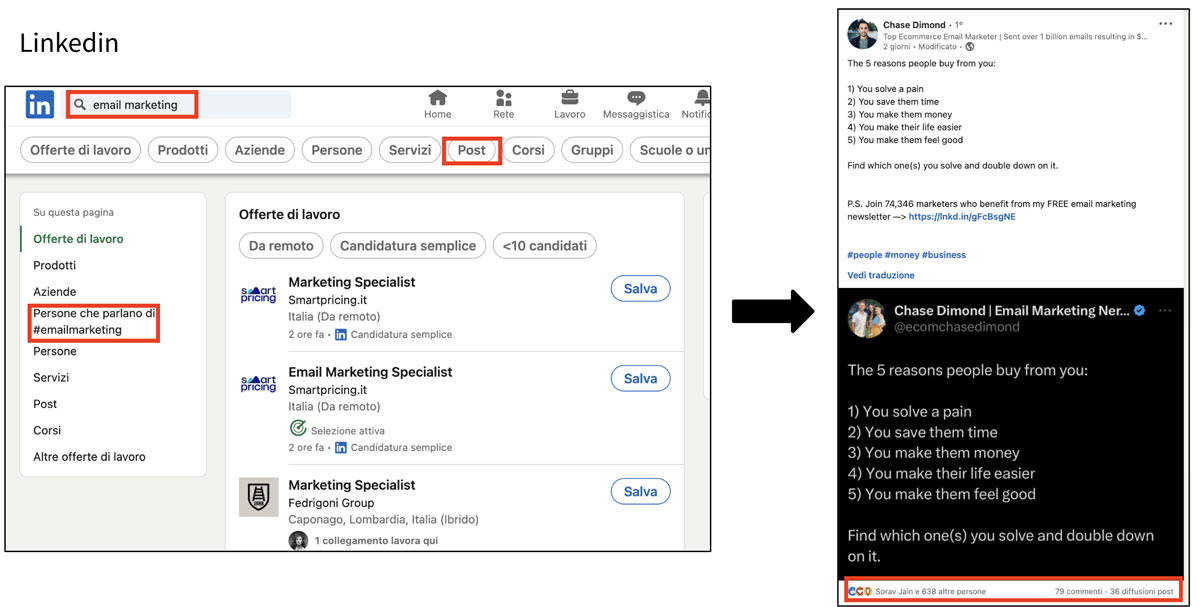
Also look at what experts in your field are writing.
How to write the content
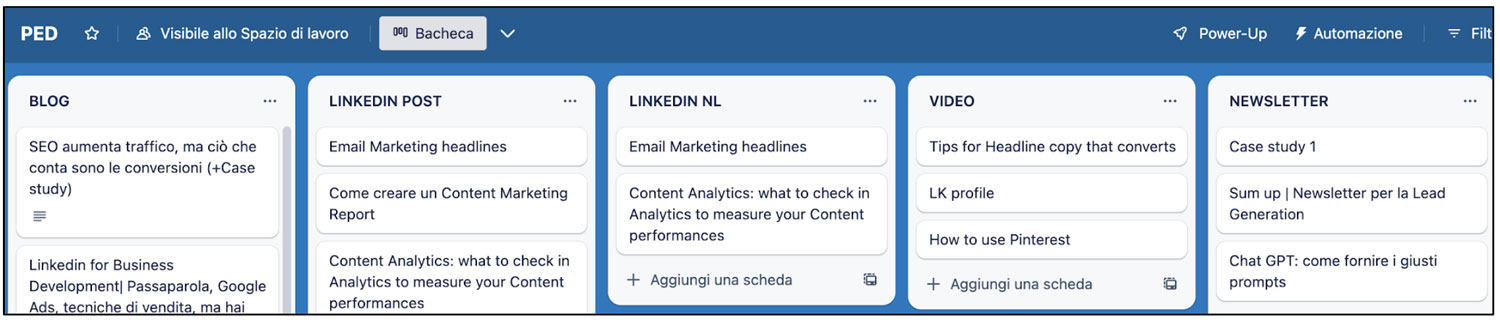
Now it’s time to create your editorial calendar, which will help you:
- stay consistent over time
- keep an overview
- always keep your goals clear (quote requests, sales, and so on)
I personally use Trello, but you can choose whichever tool you prefer, such as Word, PowerPoint, Excel, Notion, Basecamp, Asana, or Monday.com.
In your lead and demand generation strategy, also consider using email sequences: series of emails that move your contact from the awareness stage of the funnel to the final purchase and loyalty stages, so they stay loyal to your products or services over time.
Here’s an example of an email sequence I created for a client:

Landing page vs. website: why you NEED a landing page
Unlike a website, a landing page is built around a single clear goal: converting.
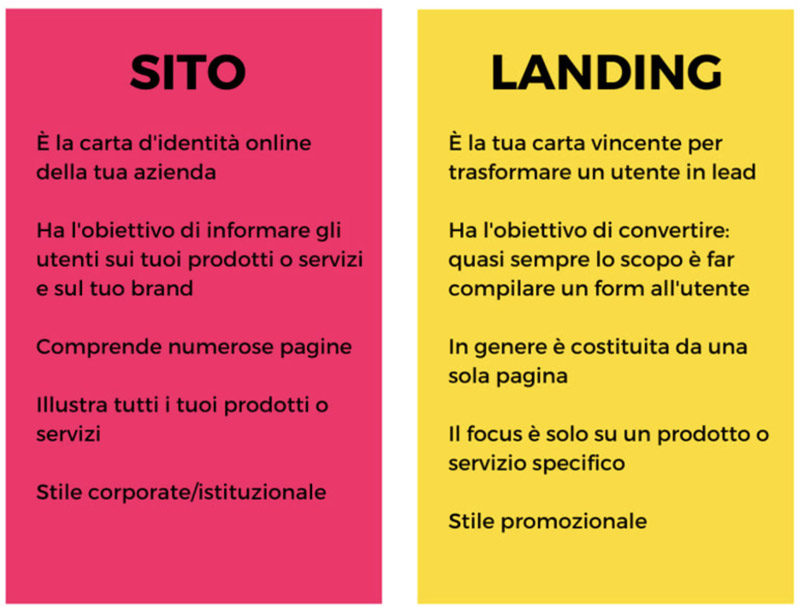
While a website is institutional by nature, full of information about the company and its products or services, a landing page includes:
- a persuasive heading
- little body copy
- the benefits users get if they leave their details
- a contact form with very few required fields (I recommend email only, or at most email and name)
- a strong CTA (test to find the best one!)
- social proof, meaning testimonials from happy customers
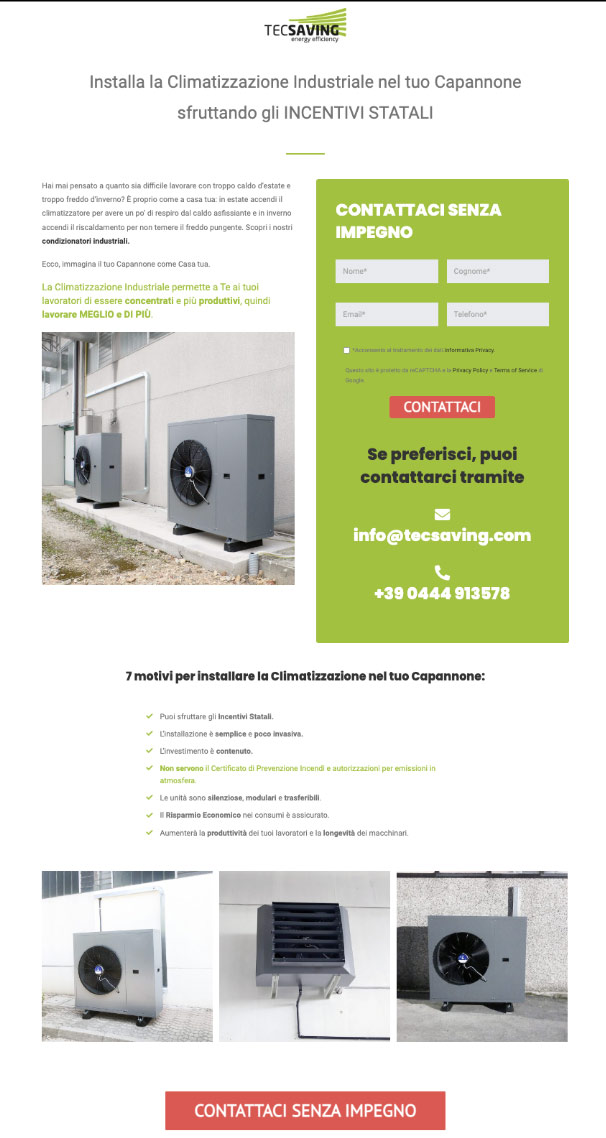
I explained how to create an effective landing page in a recent article: How to Create a Landing Page That Increases Online Conversions.
A/B testing for landing pages
Your landing page will serve both to collect leads for your newsletter (perhaps through a downloadable lead magnet, free but valuable content) and to send subscribers to a specific page where they take an action (signing up for an event or workshop, buying a course, buying a product, and so on). Either way, always run A/B tests, changing only one element at a time.
In the example below, for a client in industrial air conditioning, I ran an A/B test to find the best heading: one version (A) focused on cost savings, the other (B) leaned on emotion.
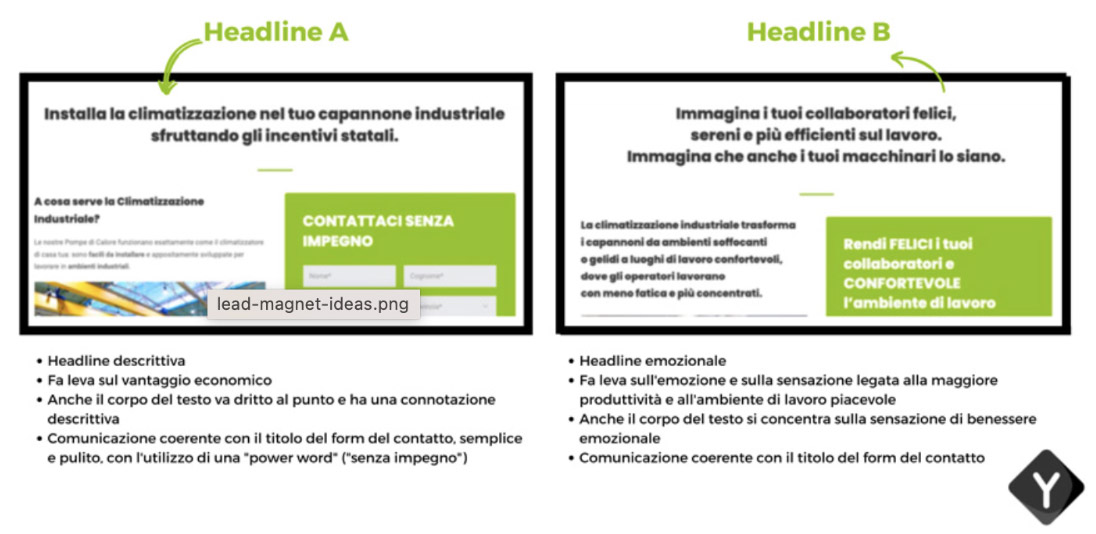
Want to know which one won? Heading A, the one highlighting the opportunity to take advantage of government incentives.
Useful tools for A/B testing:
How to get more newsletter subscribers
My biggest tip is to try different strategies. In my experience, these work best:
- Blog posts: when you write an article on your blog (assuming it’s relevant, interesting, thorough, and useful), add a CTA at the end inviting readers to subscribe to your newsletter. If they found your articles valuable, they’ll very likely subscribe to stay up to date, knowing they can count on you for content that matters to them.
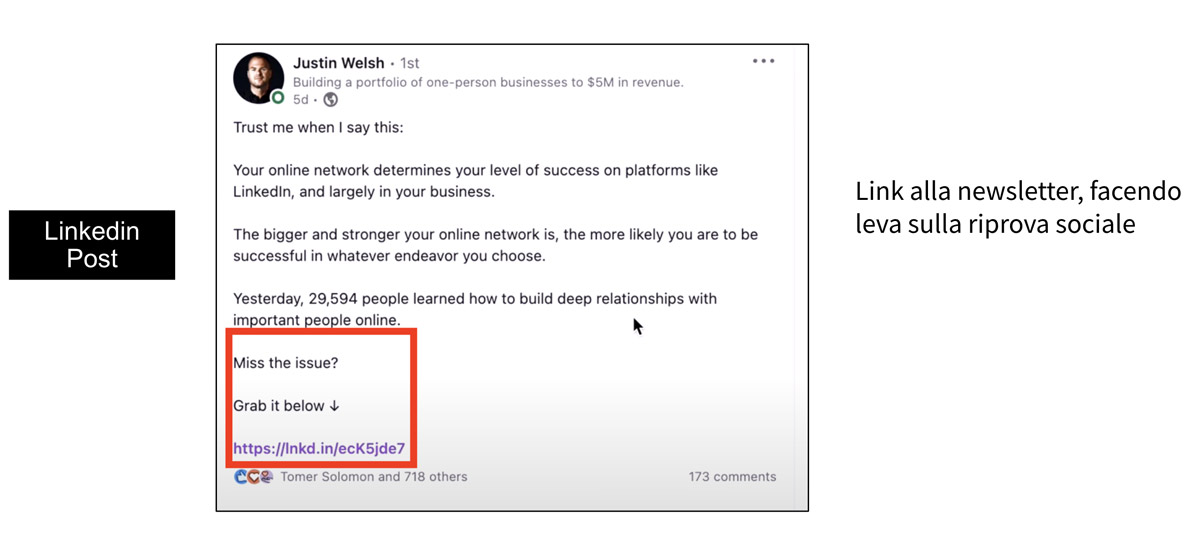
- LinkedIn posts and LinkedIn newsletters: add the same CTA at the end of your LinkedIn posts and of the newsletters or articles you publish on LinkedIn. In my own tests, LinkedIn newsletters work very well for gaining new subscribers too.
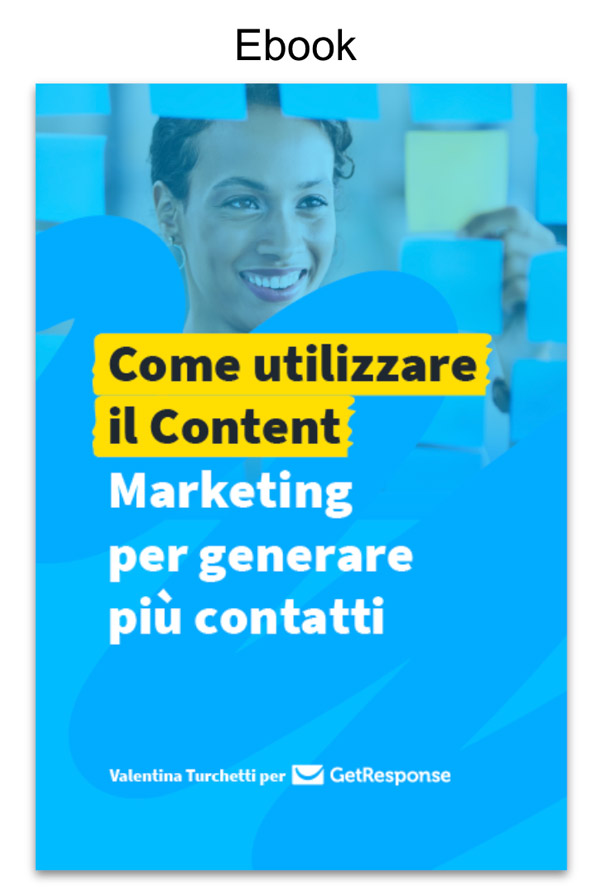
- Work well on the earliest stage of the funnel, awareness, with the goal of collecting email addresses in exchange for a lead magnet: free content that’s still truly high quality. Some lead magnet ideas: PDFs, checklists, case studies, tutorials, ebooks, infographics, white papers, guides, coupons, discount codes, free trials or demos, templates, webinars.
Lead nurturing: how to turn subscribers into customers
Once you’ve worked hard to grow your database, don’t forget about your subscribers!
By that I mean:
- keep your editorial calendar up to date, so you always have newsletter content ready, at a frequency you’ll set based on how many topics you have and on the analytics of your email marketing platform
- send emails that meet a need of your subscribers. Always ask yourself: “Why did these people subscribe to my newsletter?”
- avoid too much promotional content
- don’t only send promotions and purchase requests: keep the different funnel stages in mind, because not everyone is ready to buy!
- segment your lists to profile subscribers as precisely as possible: you can send specific emails to people who showed interest in one product but not another
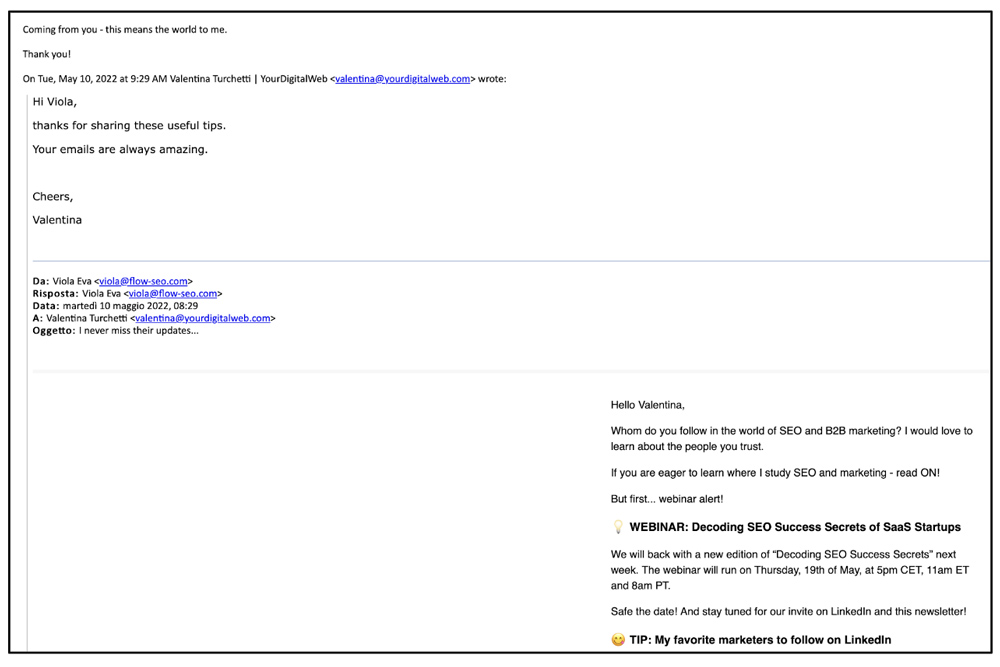
- create engagement: emails should be a conversation, not a monologue. Encourage subscribers to reply and build a relationship. For example, ask a question at the end of your newsletter and invite subscribers to answer
Here’s an exchange between me and Viola Eva, SEO specialist:
Finally, here are some useful takeaways:
- Email marketing is an essential asset in your digital marketing strategy
- You need to know your audience and your newsletter subscribers very well: use segmentation and automation
- Test which content works best for your audience: run A/B tests
- A landing page is built to convert: your website can’t replace it
- To get newsletter subscribers, ads aren’t the only option: test different approaches, such as blog posts and content on LinkedIn
- Never forget your subscribers: once you’ve worked hard to collect them, what will you do with them? Try to turn them from contacts into customers with email marketing automation!
🔥 Want more content like this? Subscribe to our agency newsletter.

Valentina Turchetti
Co-founder of YourDigitalWeb
Co-founder of YourDigitalWeb, she works on digital strategy, lead generation and communication for companies. She speaks at marketing events and talks, from TTG to Social Media Strategies.
One click and, when you search for SEO, AI and marketing, our articles will show up more often in Google’s Top Stories.